
Resources and Tools
Helping you give your dog their best life.
Practical guidance and trusted resources for every stage of life with your dog—from health and behavior to safety, training, and what to do when a dog goes missing.
- All
- Advocacy
- Volunteering
- Behavior and Training
- Children and Dogs
- Health and Wellness
By Subject
-
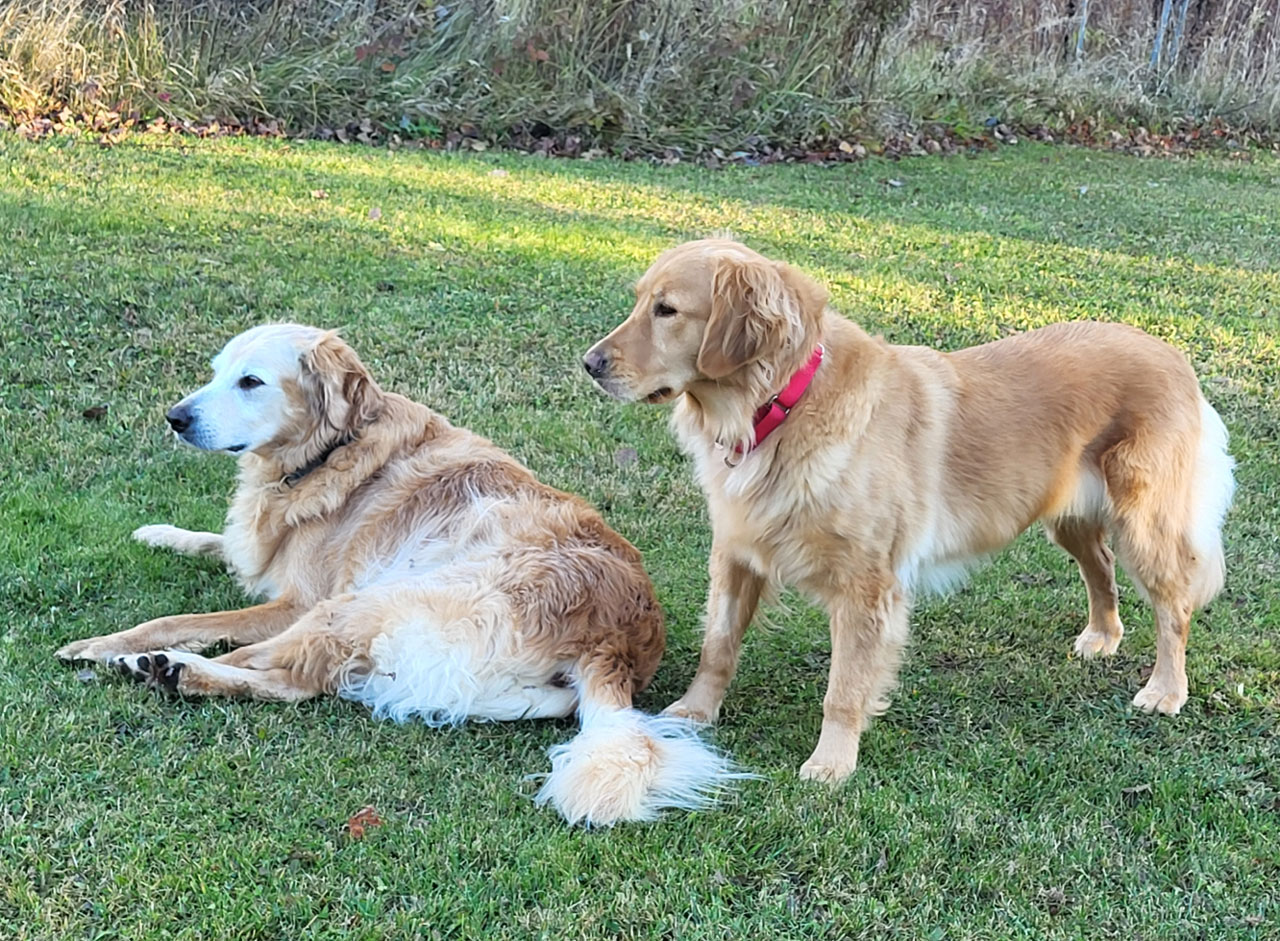
Questions to Ask a Breeder
Adding a dog to your family is a big decision. We always encourage prospective owners to consider adoption first, whether through RAGOM or another reputable rescue. If you decide that purchasing a puppy from a breeder is the right choice for your family, taking the time to choose a responsible breeder can help ensure a healthy puppy and support ethical breeding practices.
View Article -

Why Choose Rescue?
When you adopt a dog from RAGOM, you know what you are getting. Every dog lives in a foster home and gets full vet care, so we learn their personality, energy, and whether they are good with children, cats or other dogs. We share everything we know, the easy and the tricky, so you can be sure of the right fit.
View Article -
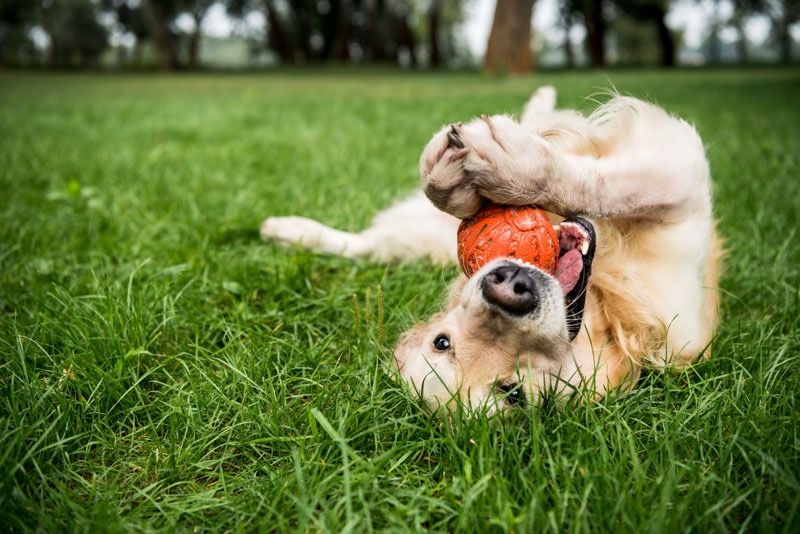
Children & dogs
Children and dogs can be wonderful for each other. Dogs help children learn responsibility and empathy, and children learn to be gentle, trusted companions. Just as your dog needs to learn how to behave around people, children need to learn how to behave around dogs.
View Article -

Health & wellness
Good food, fresh water, exercise, grooming and regular vet care (including vaccinations and heartworm, flea and tick prevention) are the foundations of a healthy dog. Even so, any dog can fall ill or need urgent care, so keep your vet's details handy and know your nearest emergency pet clinic.
View Article -
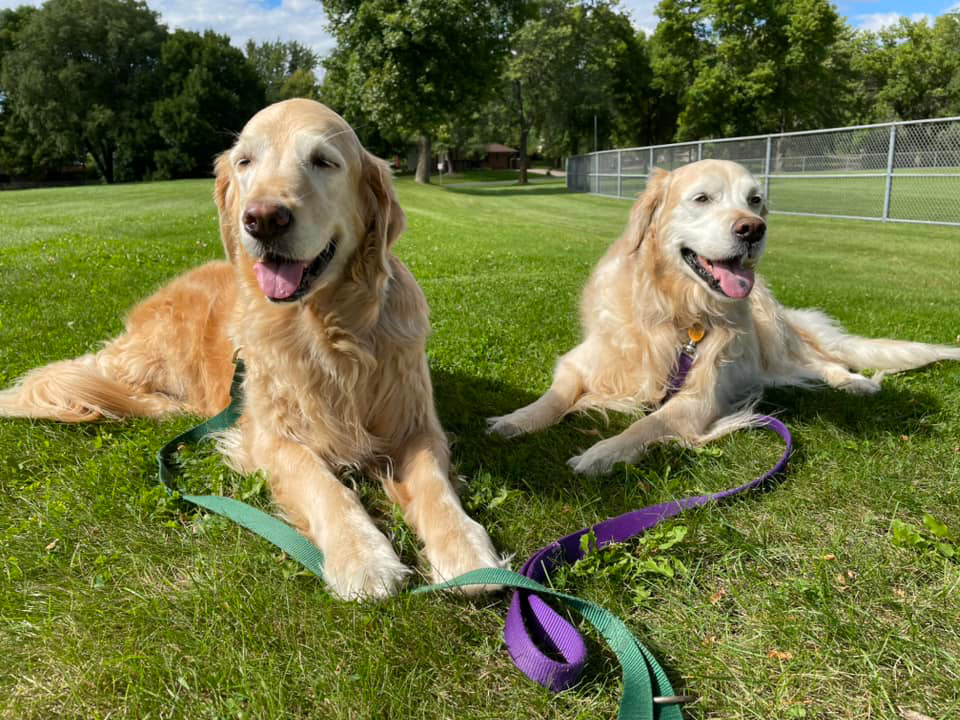
Lost RAGOM dogs
Dogs run away for many reasons. Some have wanderlust and take advantage of every open door. Others meander away following a scent. But the most common reason rescued dogs go missing is fear.
View Article -
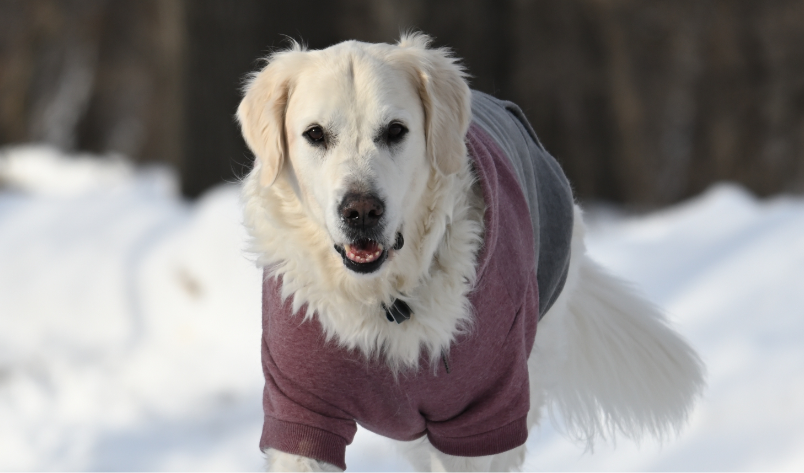
Behavior & training
A confident, well-trained dog is a happy dog. Training takes patience, but it pays off for the whole family. Puppies and adolescents (around 18 months to three years) need it most, though any dog benefits when settling into a new home. Dog training is unregulated and anyone can call themselves a trainer, so do your research, trust your instincts, and walk away if something feels off.
View Article